I’m Craig Feigin. Travel is useful when it slows the pace. In Dubrovnik, the walls, the harbor, and the stone underfoot leave little room for noise. You look. You walk. You pay attention. The work of seeing clearly starts there.
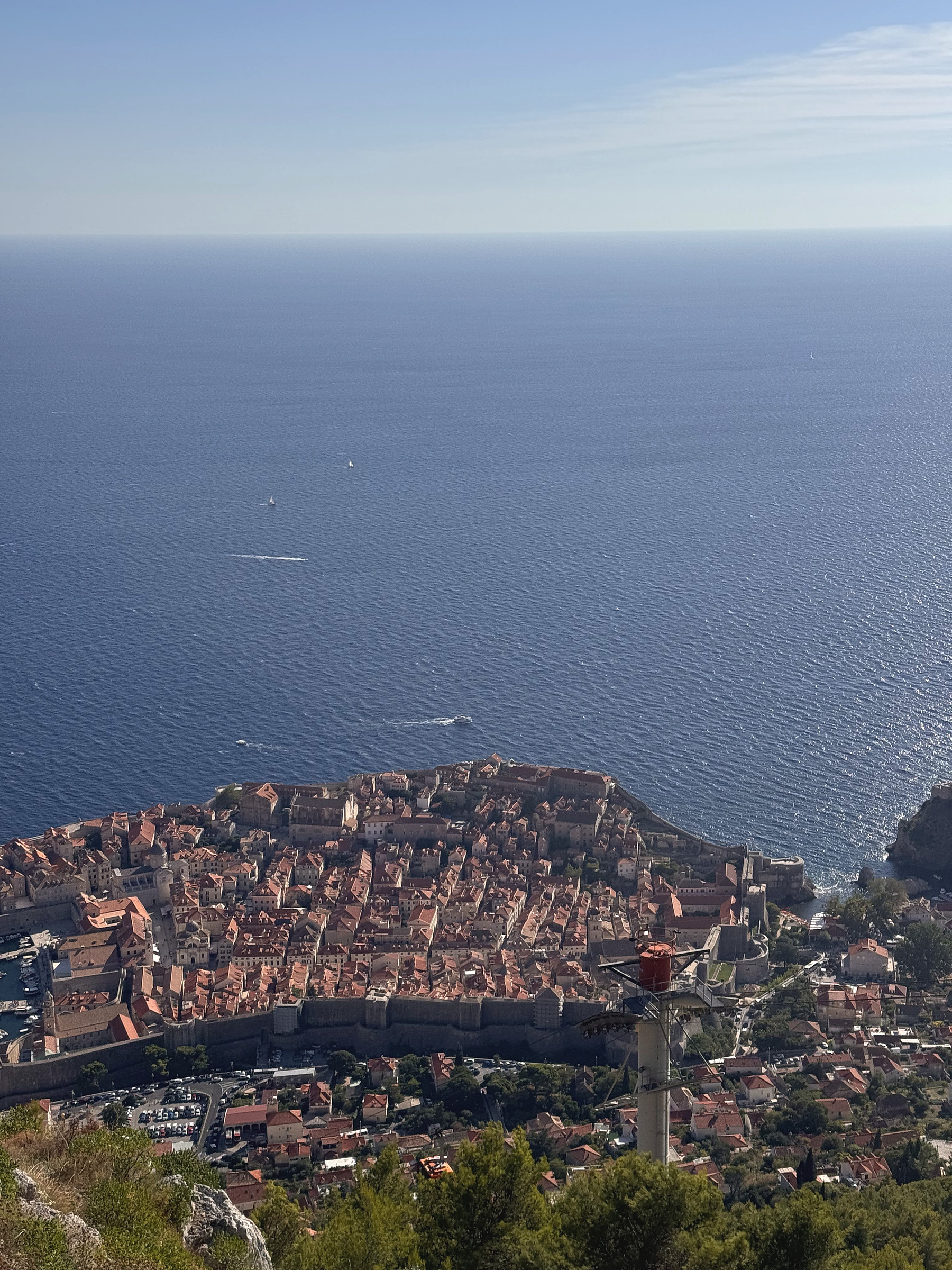
The old town from above
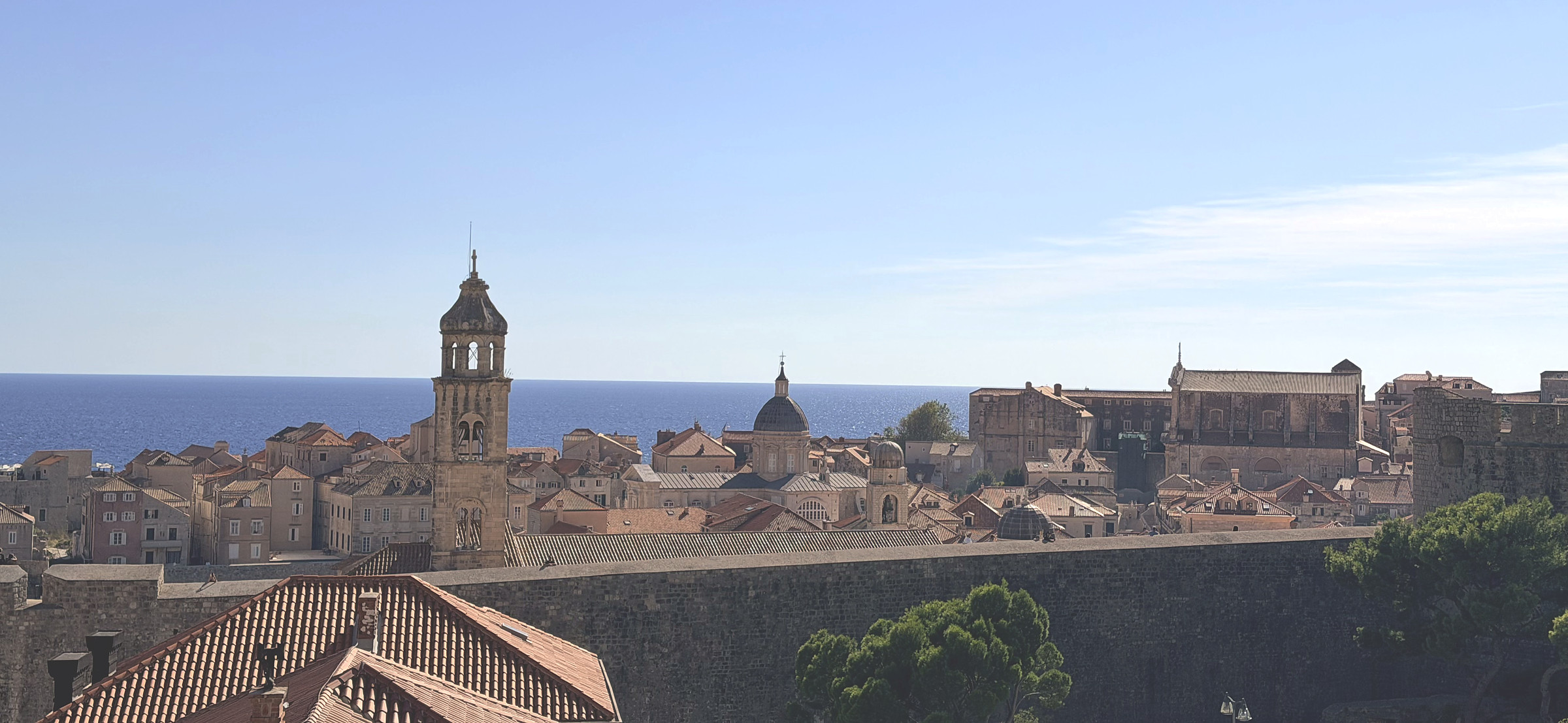
From the hill, the old town reads as a tight pattern of red roofs inside the walls, with open water around it. The streets run in a clear order. The wall holds a firm line. Durable work has a shape. Limits are not a weakness. They are what give a place — or a project — its form.
Harbor and walls
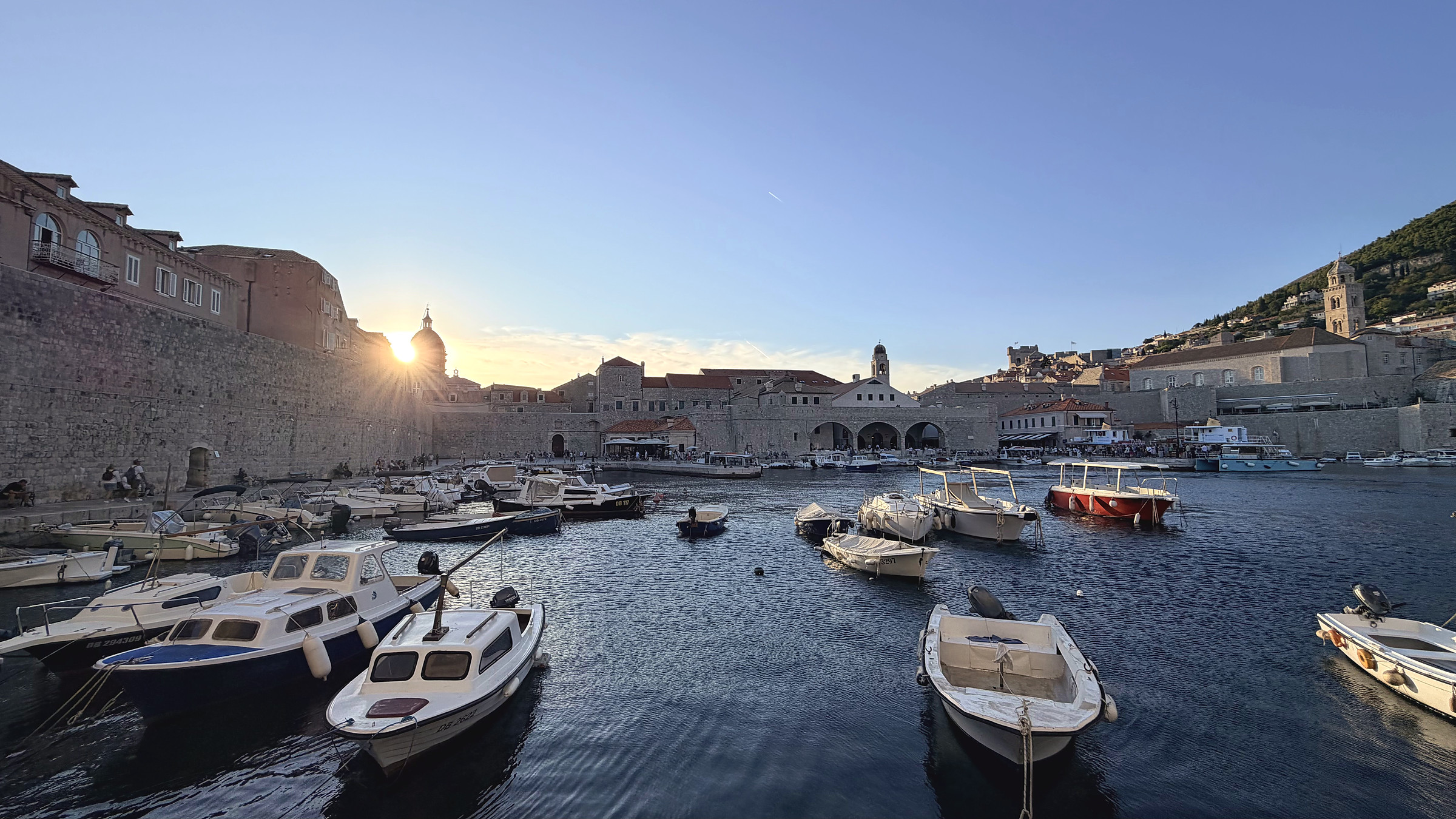
Down at the harbor, palms stand against the stone, and the water is lined with small boats. The old walls drop to the quay. A wooden ship sits among the newer ones. The scene is simple: stone, water, and work that has been kept up over a long time.
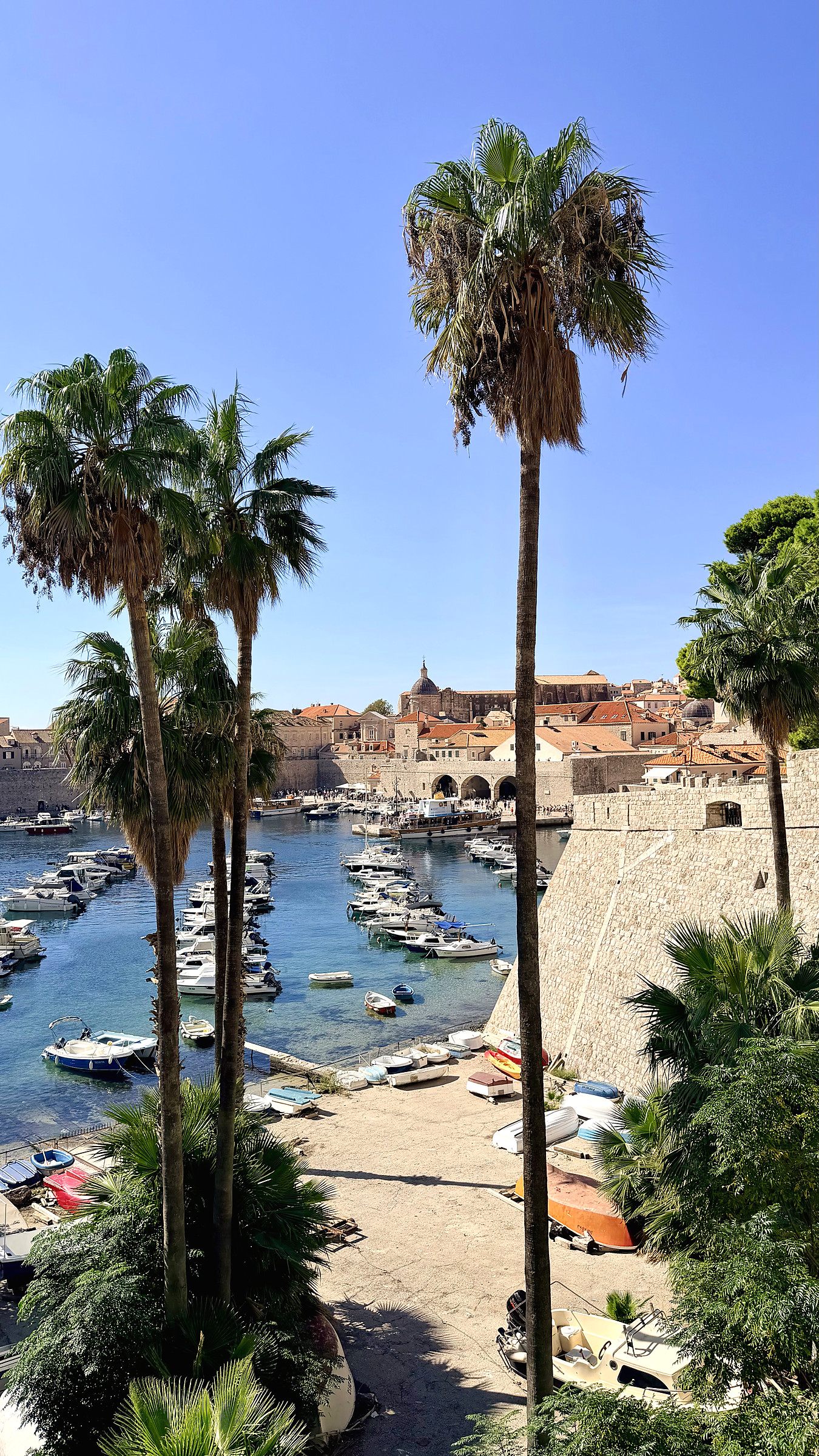
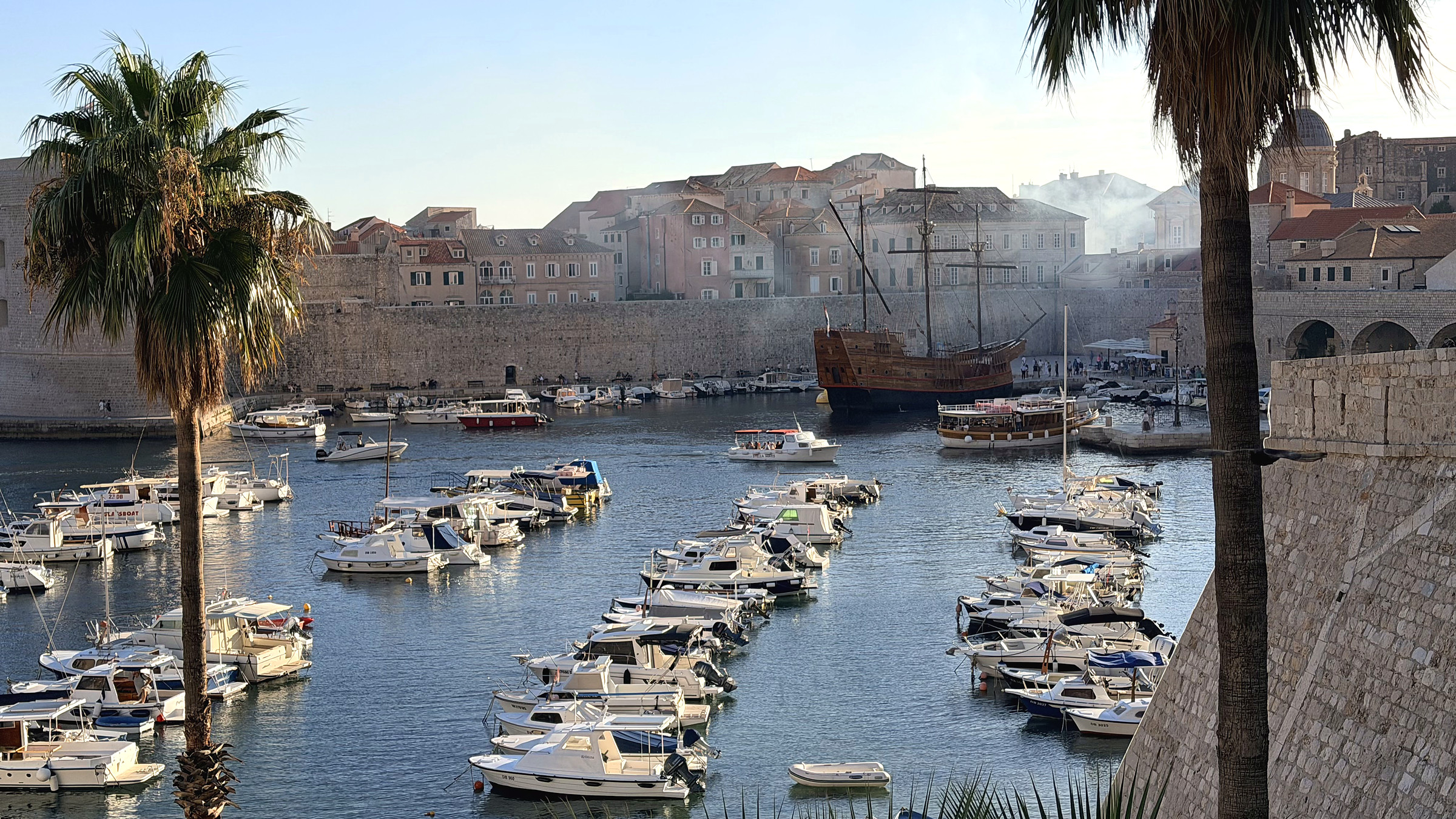
The rooftops, the bell tower, and the sea beyond the wall make the same point. What lasts is built with care and then maintained.
Stone underfoot
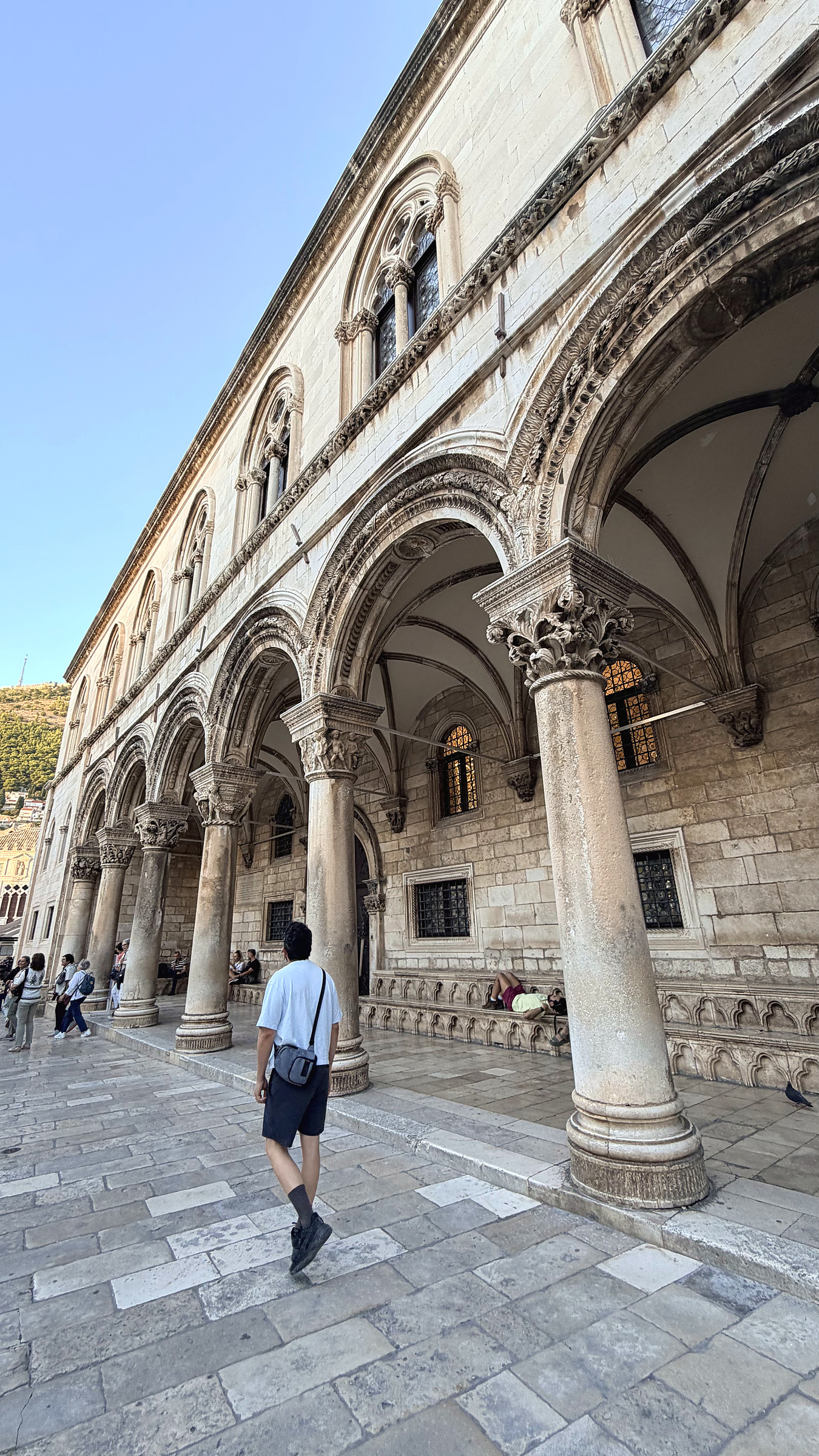
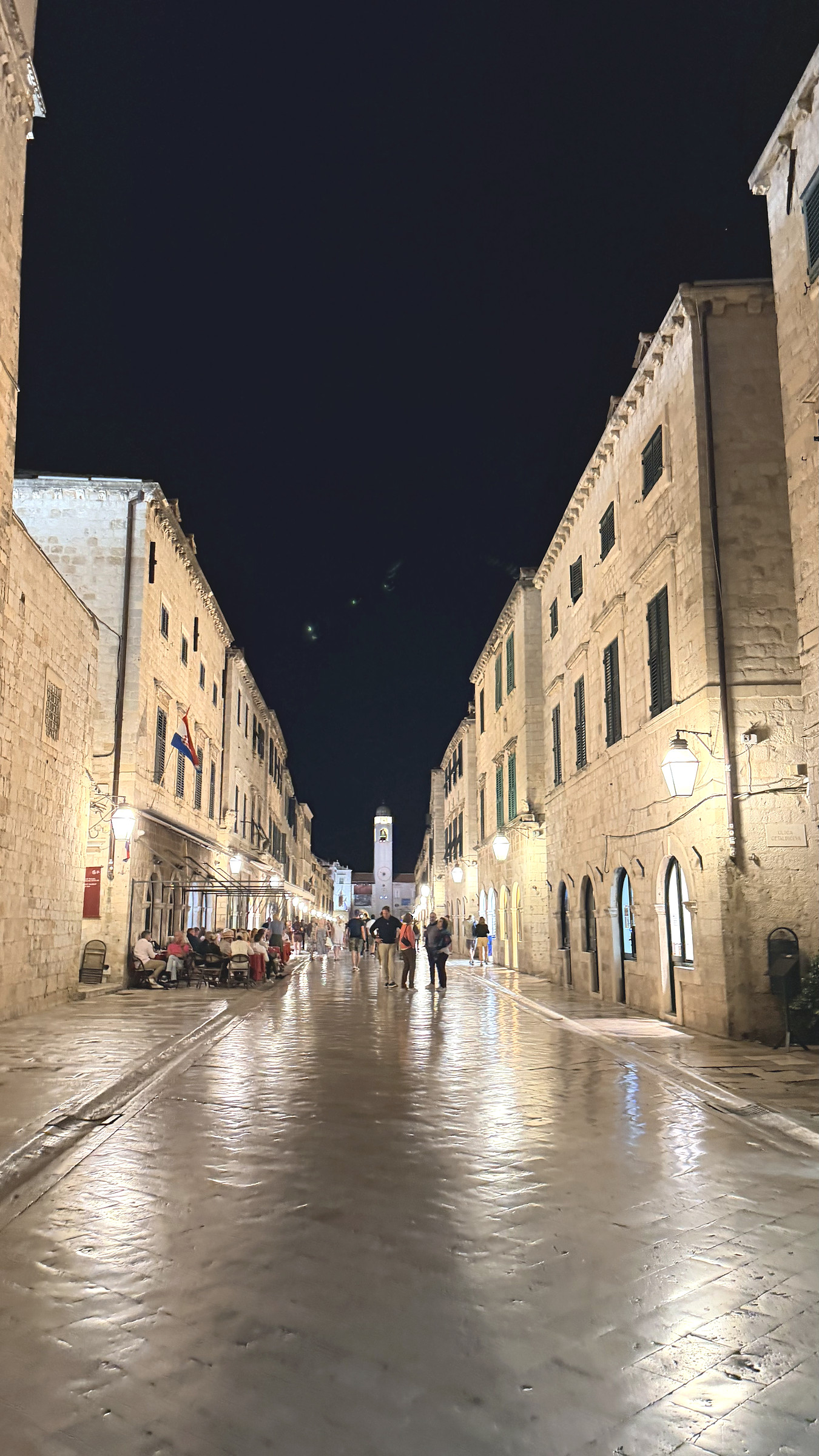
Inside the walls, the streets are stone. Arched colonnades run along the buildings. At night the main street is quiet, and the stones hold the light. Walking here is a form of attention. You notice how things were built, and how they have been kept.
Time and attention
Travel, for me, is not a break from the work. It is a way to step back and see more clearly. The same principles apply: discipline, clarity, and consistent effort. You cannot rush a wall that has stood for a long time. You cannot skip the daily work that keeps a life or a business in order.
The coast, the open water, the rock and the sea — these are useful because they are specific. They ask you to look closely. I am still learning through direct experience. These are notes, not conclusions.